
If you can make something work in London, there’s a good chance you can make it work globally.
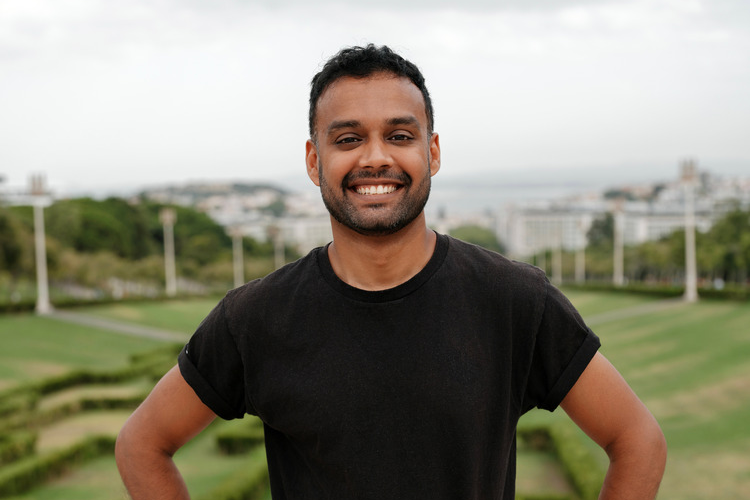
London Legends is our interview series with optimistic people building great things in London: what they’ve learnt and how London has shaped them. First up is Elston Baretto, founder of Tiiny Host, on London raising his standards, learning from failure and finding community.
Who are you, and what are you building in London?
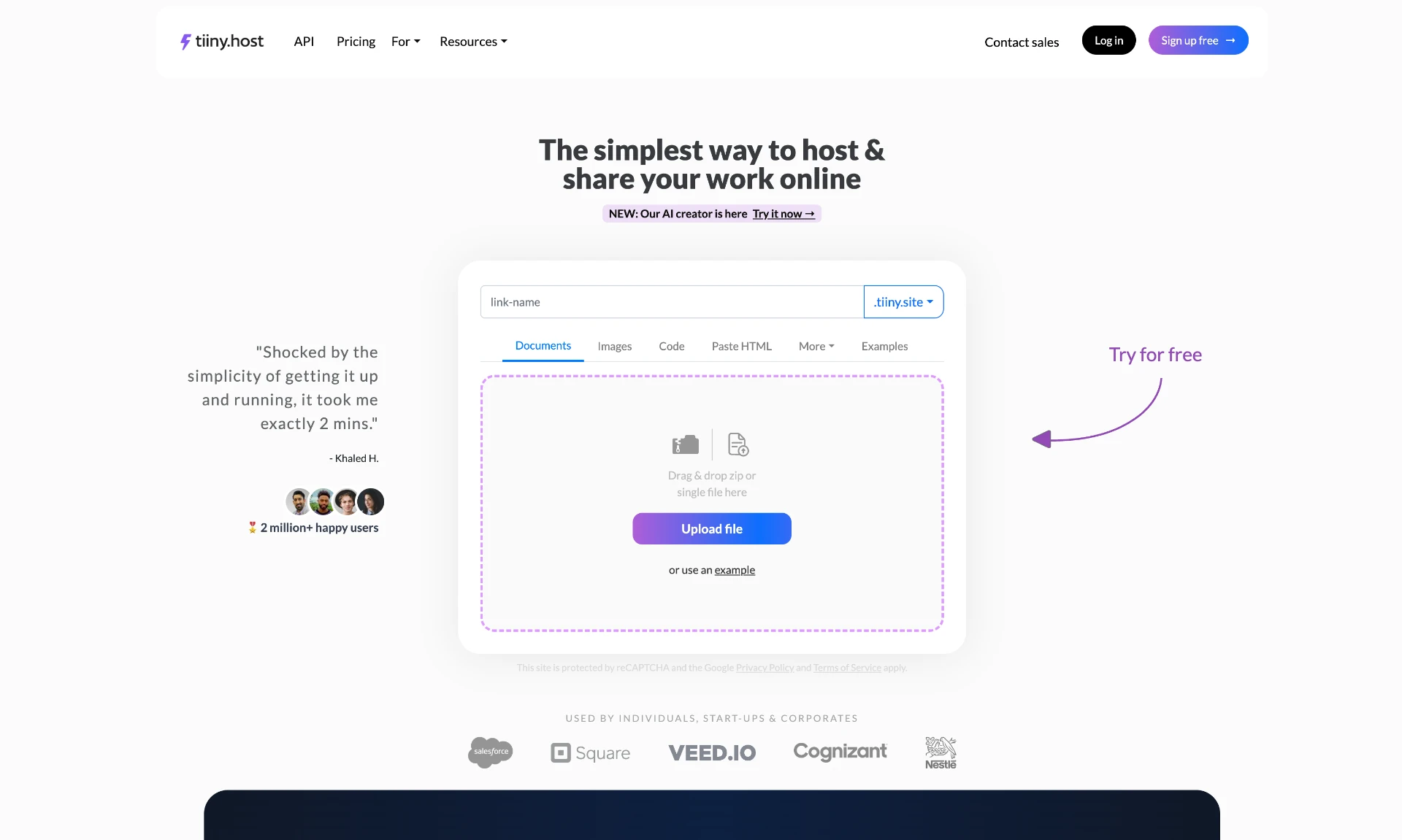
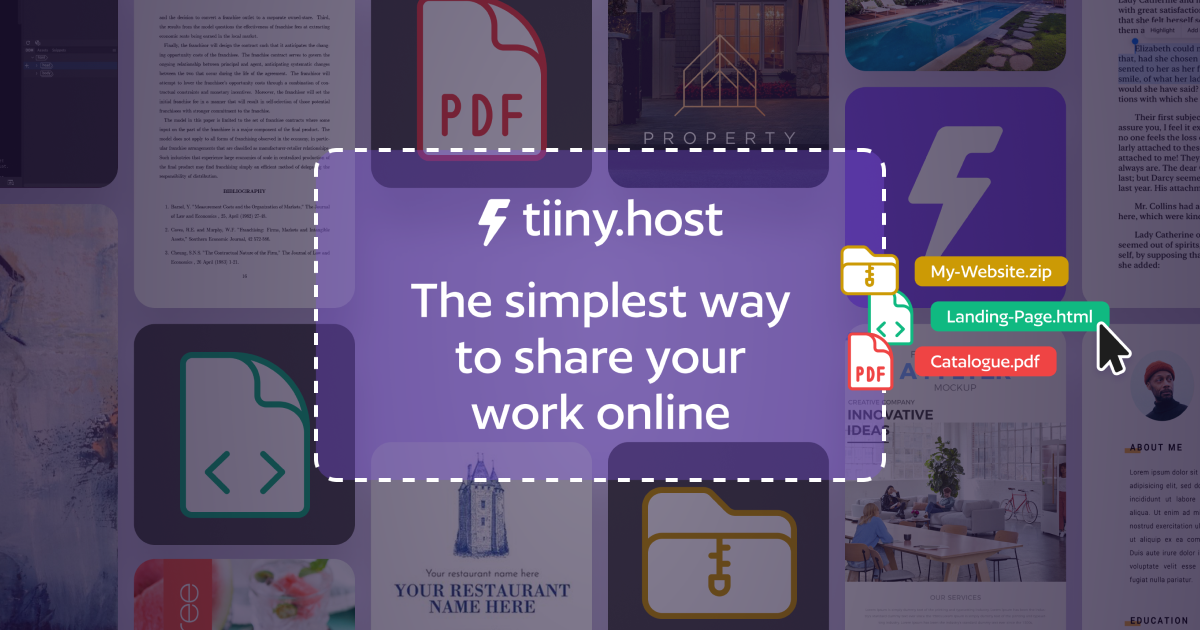
I’m a designer and developer from South London, and the founder of Tiiny Host. We make it incredibly simple to put work online: upload a website, PDF, presentation or other file and get a link to share in seconds, without configuring servers. What began as a side project has grown into a bootstrapped platform used by more than two million people. The aim is still the same: remove the technical barrier between making something and sharing it with the world.
Where did the idea come from, and what made you believe it needed to exist?
I built Tiiny Host to scratch my own itch. Even as a developer, I found putting a simple file or website online unnecessarily technical and time-consuming. I did almost no market research—I gave myself a month to build something useful and launched it. Early users showed me that the problem was bigger among non-technical people, so I repositioned the product around making publishing simple for anyone.
What did the first version look like, and where is it now?
The first version was extremely basic. You uploaded a file and initially had to wait 15–20 minutes for it to appear online. The next version reduced that to seconds and let people experience the product before registering.
Today, Tiiny Host supports more than 100 types of files and projects, with features including custom domains, analytics and password protection.
What was the first real sign that it was working, and what helped it grow from there?
The first real sign was strangers paying for something that had started as my side project. Sharing it in communities such as Reddit brought in the first few hundred users, and talking to those users helped shape the paid plan.
The bigger breakthrough came from repositioning Tiiny Host for non-technical users and committing to SEO. It took six to twelve months to find reliable distribution, but landing pages, useful free tools and regular content eventually compounded.
What difficult moment most changed how you work or what you believe?
My entire entrepreneurial journey contributed to a change in the way I worked. Tiiny Host is not my first product or idea—many came before it, but none got the traction, users or revenue I hoped for.
After going down the same route multiple times, you start to feel frustrated and like you’re hitting a brick wall. With Tiiny Host, I did something different: I focused on growing and getting users on the app rather than building around the typical startup journey—making the website look good, developing an amazing product or pursuing a unique idea that had never been done before.
It worked, and it took a lot of years to get to that point. My history and failures helped me figure out what to do and avoid making those mistakes again.
How has London shaped you and what you’re building?
I think London is one of the biggest consumer capitals in the world, and the bar is incredibly high.
Whether it’s restaurants, products, apps or services, there’s so much attention to design, detail, branding and the overall experience. I think it’s probably the best standard you get in Europe. Living here, you almost come to expect that level of quality; when you travel elsewhere, you realise how high that bar actually is.
That’s definitely shaped how I think about building things. London has helped me understand what good looks like—and, more importantly, what great looks like. Whatever I’m building, I’m always trying to get it to that same level.
There’s also the energy and ambition of London. It’s such a multicultural city, so you have this incredible mix of talent, opinions and cultures coming together. You see the result everywhere: hospitality, tech, services and customer experience.
Even UK government apps and websites are incredibly well designed compared to most countries. The quality of the information and the experience is very high.
London has set the bar for me. It’s given me a lot of inspiration, but also a standard that I feel anything I build needs to live up to.
What is one introduction, piece of advice or act of generosity from another Londoner that made a meaningful difference to your work?
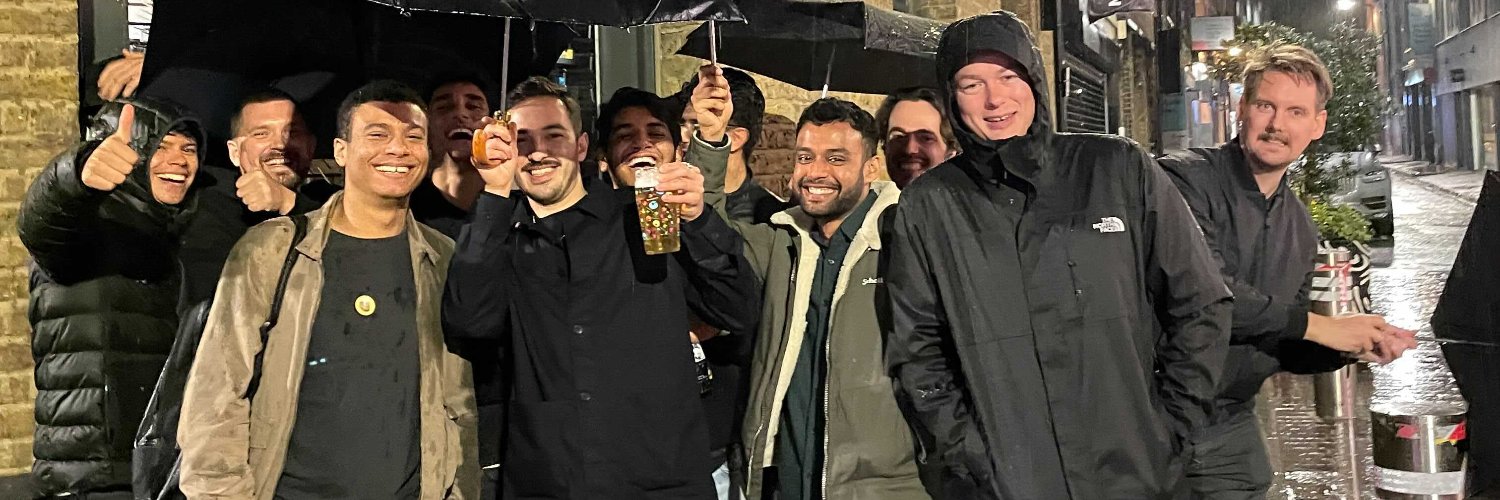
Through the IndieBeers community, I met someone who helped me with marketing and, specifically, SEO strategy. The rest is history. If I hadn’t had those conversations, I probably wouldn’t have built my business to the size it is today.
It goes to show how powerful and helpful London’s community can be—it’s like nowhere else in the world.
What is one concrete thing London should build, change or make easier by 2030?
Young startups and brand-new companies could still be supported better by the UK government. More specifically for London, I think we need a proper coworking hub.
We used to have a Google hub, which was closed down. Some coworking cafés are now appearing, but we need a genuinely free hub supported by a big company as a marketing effort. It could encourage people to come together for events and become the go-to spot for the community—something we don’t currently have.
What would you say to someone thinking about building something in London?
The first thing to understand is that London is a very competitive city. It’s expensive to live here, it can be difficult to integrate, and you really have to be ambitious and willing to work hard to achieve your goals.
London can chew people up and spit them out if you’re not prepared for that. You need the drive to make it work.
At the same time, that’s one of the biggest advantages of living here. Because there’s so much competition and the standard is so high, London naturally raises your own bar. It forces you to become the best version of yourself and pushes you towards what you need to be to compete at a world-class level.
If you can make something work in London, there’s a good chance you can make it work globally.
You might create something and think it looks great, but when you put it into perspective against everything around you in London, you realise that it’s not that great. The bar is incredibly high.
Much of that influence happens subconsciously. By living and breathing London, you’re constantly surrounded by great brands, design, customer experiences, ideas and different ways of doing things. You absorb a lot without necessarily realising it.
There’s an idea that you become the average of the people around you. In London, you’re surrounded by ambitious, talented and competitive people operating at a very high level. Over time, that naturally pushes you to raise your own standards.
Which London person, company, community or project is doing something exciting that more people should know about?
IndieBeers and Ramen Club. I used to go to a lot of networking events, but stopped after I found these communities.
What can you help another London builder with?
I can help with the early stage of starting a business—whether that’s feedback, strategy or simply roasting your idea. I’ve been there, I’ve learned a lot along the way, and I’m always happy to help.
What help are you looking for from another London builder?
I really appreciate coming together in communities to share strategies and things that work. Building a startup is changing very fast right now, and a lot of the information and ideas I’ve worked on aren’t online or on Twitter—they come from YouTube and very organic conversations.
Sharing what has worked, along with wins and lessons, is the most valuable thing for me. It’s also why I still enjoy being part of these communities.
Resources and tools Elston recommends
Resources
- Traction by Gabriel Weinberg — helped me understand marketing and inspired me.
- Indie Bites podcast — inspirational stories.
- Marketing Examples — taught me good copywriting.
Tools
Elston’s London hidden gems
- Discount Suit Company — one of my favourite quirky bars.
- NQ64 — retro arcade bar, Soho.
- Four Seasons in Chinatown — the best roast duck.
- Ramen Space — the best founder coworking spot in London.
Find Elston online
Sign up for more curated interviews, events & hidden gems
Join 1220+ Londoners on the list